
Parent-Teen Communication in Chicago Households: Bridging the Generational Gap

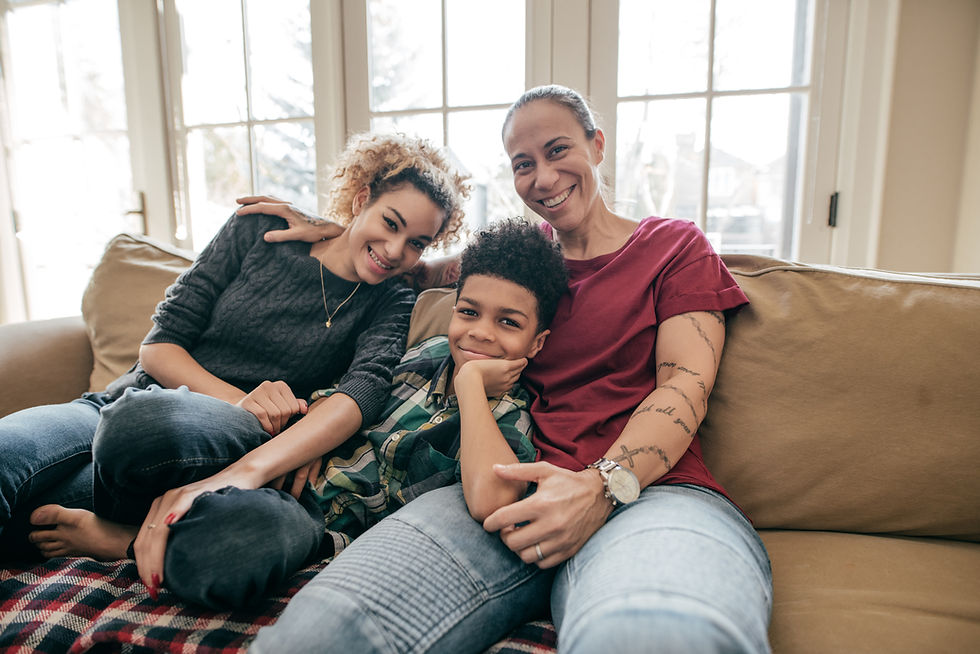
Parenting teenagers in a bustling city like Chicago can feel like navigating a complex maze. Teens are juggling school, social pressures, extracurricular activities, and the digital world, while parents often balance work, household responsibilities, and community involvement. Misunderstandings and conflicts are common, especially in diverse households where cultural values, family expectations, and generational differences intersect.
Effective communication between parents and teens is essential for building trust, reducing conflict, and supporting emotional development. In this article, we’ll explore practical tools and strategies for bridging generational gaps, improving dialogue, and fostering stronger relationships in Chicago families.
Understanding the Communication Gap
Adolescence is a period of rapid growth—emotionally, socially, and cognitively. Teens seek independence while still needing guidance, which can create tension. Common sources of communication breakdown include:
Differences in perspective: Parents may prioritize safety and rules, while teens focus on autonomy and social experiences.
Technology divides: Teens often communicate digitally, while parents may rely on face-to-face interaction, creating misunderstandings.
Cultural expectations: In diverse Chicago households, parents and teens may have differing expectations regarding traditions, responsibilities, and values.
Emotional volatility: Hormonal changes and social stress can make teens more reactive, making calm conversations difficult.
Understanding these factors helps parents approach communication with empathy and patience.
Tools for Bridging the Generational Gap
1. Active Listening
Active listening involves fully focusing on your teen without interrupting or immediately responding. Repeat back what you hear to ensure understanding. Phrases like, “It sounds like you’re feeling…” validate emotions and encourage openness.
2. Scheduled Check-Ins
Create predictable times for conversation, such as weekly dinners or short daily check-ins. Consistent communication reduces the likelihood of misinterpretations and provides a safe space for teens to share concerns.
3. Use “I” Statements
Instead of saying, “You never listen,” try “I feel worried when you don’t tell me about your plans.” Framing concerns with “I” statements reduces defensiveness and encourages dialogue.
4. Digital Communication Tools
In Chicago, where families often have busy schedules, texting or messaging apps can complement face-to-face communication. Encourage your teen to share updates or feelings digitally if it feels safer for them, while balancing in-person conversations.
5. Family Meetings
Regular family meetings provide a structured setting to discuss rules, responsibilities, and upcoming events. In diverse households, these meetings can also be an opportunity to explore cultural traditions and expectations in a supportive environment.
6. Conflict Resolution Skills
Teach problem-solving strategies like brainstorming solutions together, compromising, and negotiating. Teens who learn constructive conflict resolution are more likely to approach disagreements calmly rather than react emotionally.
Cultural Considerations in Diverse Chicago Families
Chicago is home to families from many cultural backgrounds, each with unique traditions, languages, and values. Effective parent-teen communication may require:
Acknowledging differences: Accept that your teen may adopt aspects of mainstream culture that differ from family customs.
Encouraging bilingual dialogue: In multilingual households, allowing teens to express emotions in their strongest language can improve understanding.
Incorporating cultural celebrations: Family conversations around holidays and traditions can strengthen identity and open pathways for discussion.
By respecting and integrating cultural perspectives, families can reduce misunderstandings and strengthen bonds.
Counseling Support for Parent-Teen Communication
Professional counseling can help families develop communication strategies tailored to their specific needs. In Chicago, therapists at Full Circle Counseling and Wellness work with families to:
Identify barriers to effective dialogue
Teach active listening and empathy techniques
Develop tools for conflict resolution and problem-solving
Support parents in navigating generational and cultural differences
Provide teens with a safe space to express themselves
Family counseling not only improves communication but also strengthens relationships, emotional regulation, and overall family well-being.
Strong communication with your teen is not only possible—it’s transformative. If your family is struggling with generational gaps, conflict, or cultural misunderstandings, Full Circle Counseling and Wellness in Chicago can help. Our counselors provide practical tools and personalized support to bridge divides, improve dialogue, and build resilient, connected families.
📞 Contact us today to schedule a consultation and start strengthening your parent-teen connection.


Comments